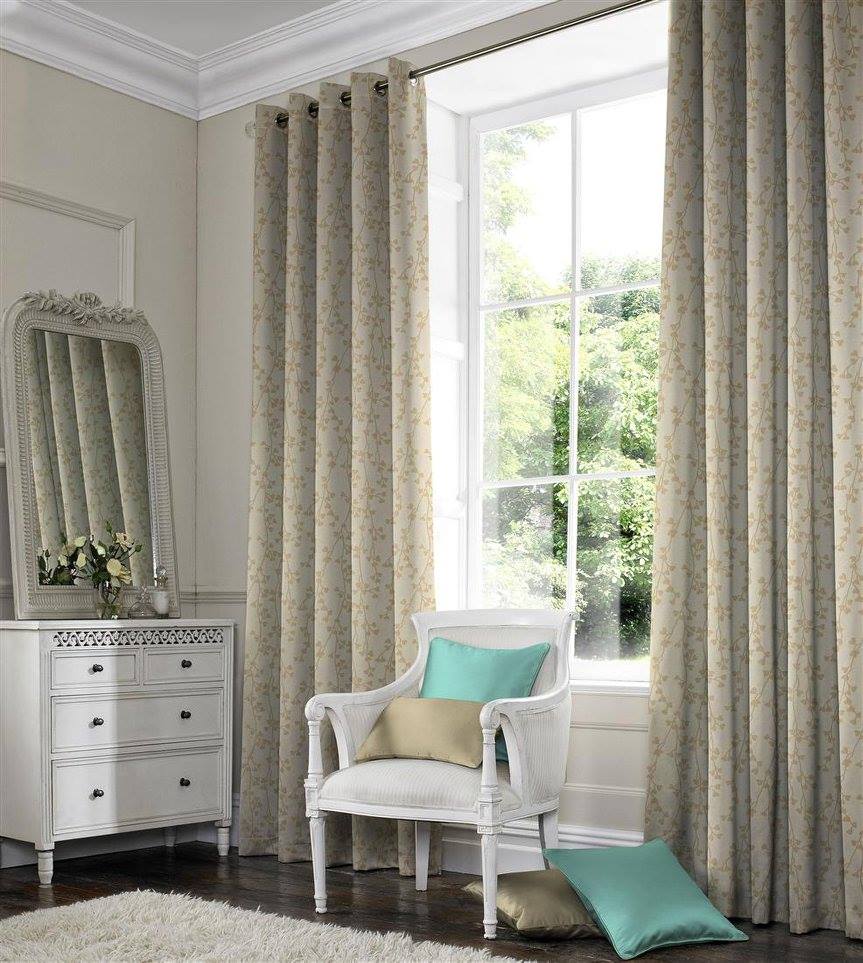
When choosing made-to-measure curtains, it is easy to spend all your time on fabric and colour. The fitting above the window deserves just as much thought. A curtain pole can become a visible part of the room, while a track can sit quietly behind the fabric or within a ceiling detail. Either can work well, but the better choice depends on the window, the heading style and how the curtains will be used.
For North Wales homes, there is no universal rule that old houses need poles and modern houses need tracks. A traditional sitting room may benefit from an unobtrusive track, and a newer room can look excellent with a well-chosen pole. Begin with what you need the curtains to do, then decide what you want to see when they are open.
When a curtain pole makes sense
A pole is a good option when you want the hardware to add character. A wooden pole can sit naturally in a cosy room, while a restrained metal finish may complement contemporary handles and lighting. Finials at either end can be decorative or very simple. Consider them alongside the other fittings in the room rather than as an isolated detail.
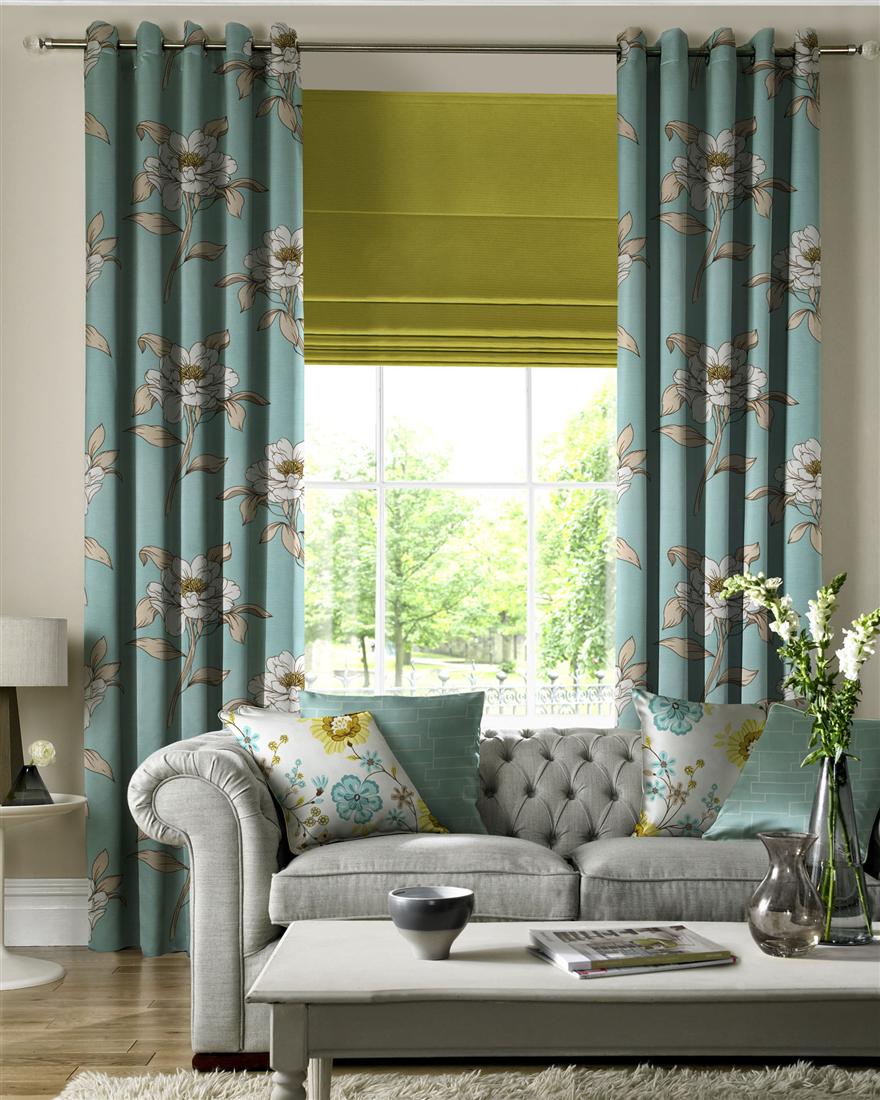
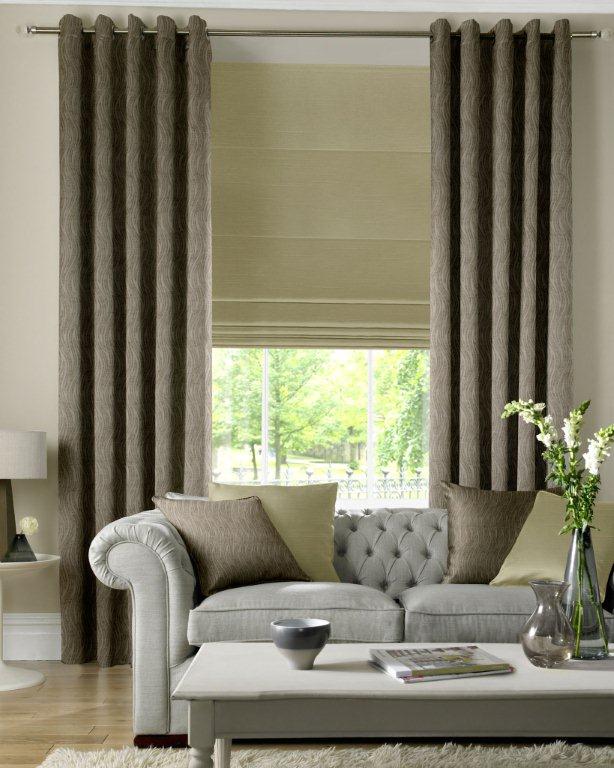
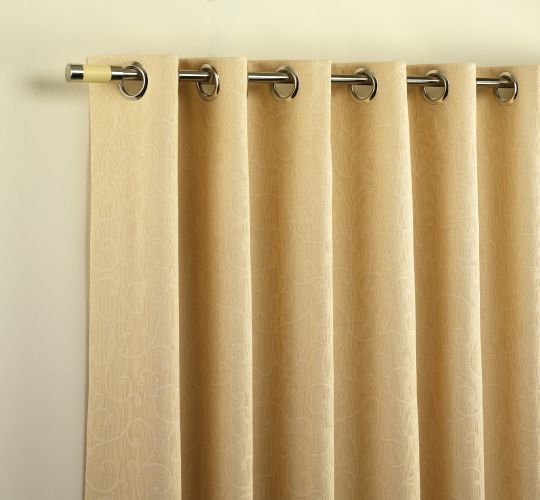
Some curtain headings are made to be seen on a pole. Eyelet curtains, for example, create broad folds and need a pole that is compatible with the eyelet size. Pencil pleat and other headings can also be fitted with rings where appropriate. Ask the curtain maker to confirm the combination before ordering the fabric or hardware.
Poles need space. Measure beyond the width of the window so the curtains can draw back without covering too much glass. Check for wardrobes, alcoves, wall lights and a nearby corner. A beautiful finial is no help if it collides with the wall every time the curtains are opened.
Where a track is more practical
A track is often the quieter choice for a wide window or glazed door. It can support an even, controlled movement across a long run and avoids a large visible pole above the glazing. A suitable track can also be shaped for some bays or awkward layouts, although the exact bend and fixing need to be assessed on site.
Wave curtains rely on a compatible track system to create their regular folds. If you like that look, do not assume an ordinary pole will produce the same result. Ask to see the finished heading and how much room the curtains will occupy when stacked to one side.
Tracks can be wall- or ceiling-fixed where the structure allows. Ceiling fitting may help the curtains hang from a higher point and make a room feel more generous, but it is not a shortcut around poor fixing. The weight of the fabric, the ceiling construction and access to a suitable fixing position all matter.
Consider the curtain weight and operation
A lined, full-length curtain can be surprisingly heavy. The fitting must be suited to that weight, especially across a broad window. A long track or pole may require intermediate supports; their position should not prevent the curtains moving as intended. Discuss the selected fabric, lining and heading with the fitter as one system.
Think about who will open and close the curtains. In a bedroom, a simple hand-drawn arrangement may be enough. For tall windows or a large glazed span, a corded or motorised option might make everyday use easier, subject to the product available and safe installation. Child safety requirements must be part of the specification for any corded control.
Check the window details before you decide
Bay windows, deep recesses, radiators and outward-opening doors can all affect the choice. If curtains sit too close to a radiator, they may drape over it when closed. If a door handle projects into the curtain’s path, the fabric may catch. A home measure is the right time to work through these details, not after the curtains are made.
Bring a photograph of the whole wall, not just the window, when discussing options. Decide whether the curtains should clear the glazing when open, whether the fitting should be visible and where the stack-back can go. That will narrow the decision much faster than choosing a pole colour first.
Explore Lloyds Blinds’ curtain poles and tracks and made-to-measure curtains. A home consultation can turn the right fabric and fitting into a combination that moves smoothly and suits the room for years.