More homeowners are thinking carefully about what they bring into their homes. Flooring, furniture, paint and appliances are often part of that conversation, but blinds deserve a place in it too. They affect how a room looks, how it feels and how much energy it uses throughout the year.
Eco-friendly blinds are not about one perfect product. They are about making better choices across materials, manufacturing, durability and day-to-day performance. A blind that lasts well, reduces heat loss, limits overheating and uses more responsible materials can be a genuinely practical step towards a more sustainable home.
Start with longevity
The most sustainable blind is often the one you do not need to replace quickly. Cheap, poorly fitted blinds can warp, fray, fade or stop operating smoothly after a short time, which means more waste and more replacement purchases.
Made-to-measure blinds tend to last better because they are built for the exact window and chosen for the conditions in that room. A bathroom blind needs to cope with moisture. A sunny south-facing room needs a fabric that can handle glare and heat. A busy family kitchen needs something practical to clean. Choosing correctly at the start avoids unnecessary waste later.
Bamboo and woven wood blinds
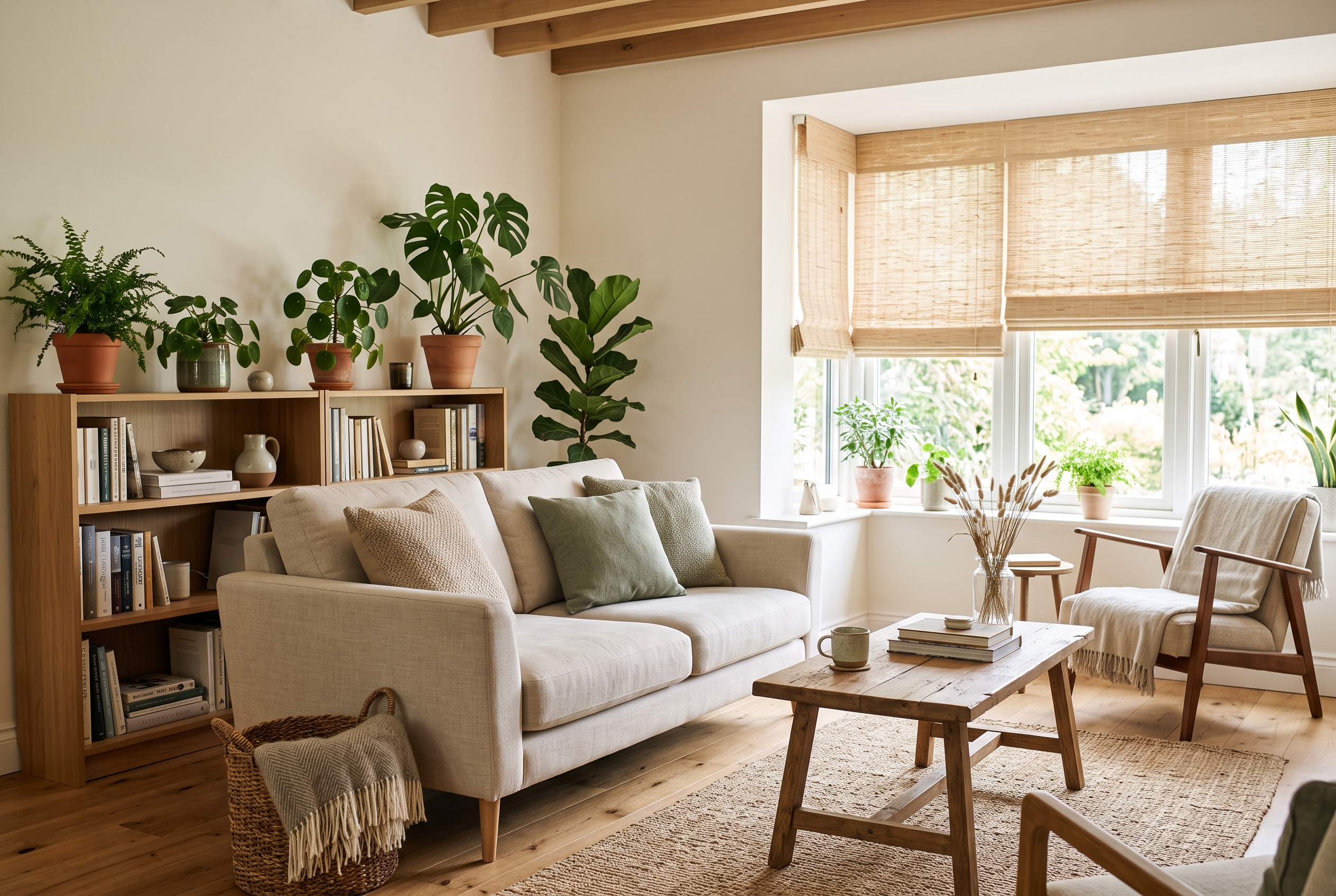
Bamboo is often associated with sustainable interiors because it grows quickly and gives a natural, textured finish. Bamboo and woven wood style blinds can soften a room beautifully, especially in living rooms, garden rooms and calm bedrooms.
They are particularly good if you want warmth without heavy fabric. The texture filters daylight in a gentle way and pairs well with plants, timber furniture and natural flooring. However, they are not always the right answer for high-moisture rooms or places where full blackout is needed. As with any eco-conscious choice, suitability matters as much as the material itself.
FSC-certified wood
If you love the look of wooden blinds, ask about responsibly sourced timber. FSC-certified wood comes from forests managed to recognised environmental and social standards. It gives you the timeless look of real wood with better reassurance about where the material has come from.
Wooden venetian blinds can work well in living rooms, bedrooms, dining rooms and home offices. They are durable, repairable in some cases and visually long-lasting, which helps them avoid the cycle of short-term trend buying. For bathrooms and kitchens, faux wood may be more practical because it copes better with moisture, although it is not the same from a natural materials point of view.
Recycled and lower-impact fabrics
Some roller, vertical and pleated blind fabrics are now available with recycled content or more environmentally conscious production methods. The choice varies by supplier and range, but it is always worth asking what options are available if sustainability is a priority.
Recycled polyester, for example, can help reduce reliance on virgin materials while still offering the practical benefits many homeowners need, such as wipeable finishes, light filtering or blackout performance. The important thing is to balance the environmental story with how the blind will be used. A recycled fabric that performs well for ten years is more meaningful than a fragile product chosen only for a label.
Energy-saving benefits
Blinds can also support a more energy-conscious home by helping manage heat, glare and privacy. In winter, well-fitted blinds add an extra layer at the window, especially when closed in the evening. They do not replace good glazing or insulation, but they can reduce the cold feeling around glass.
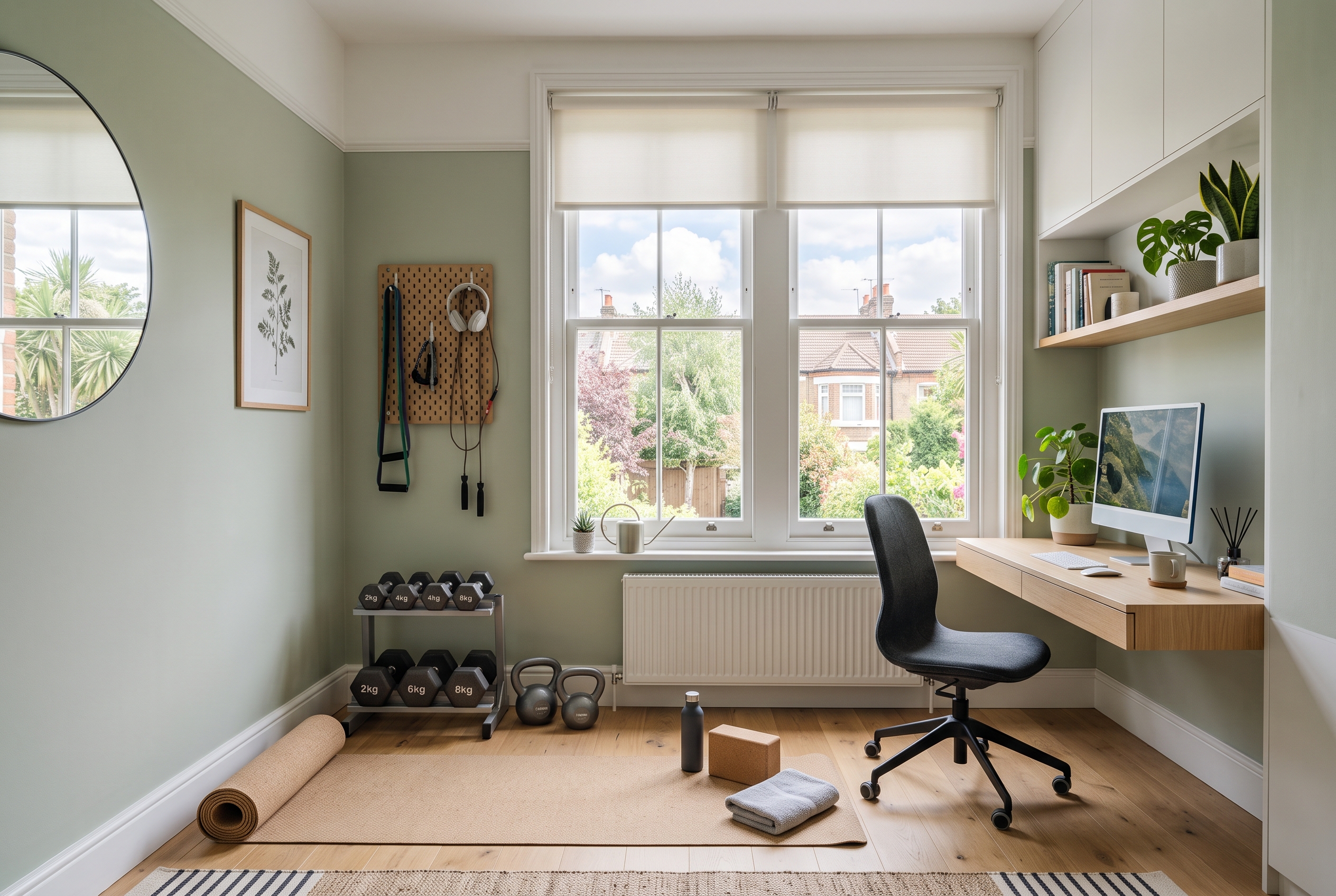
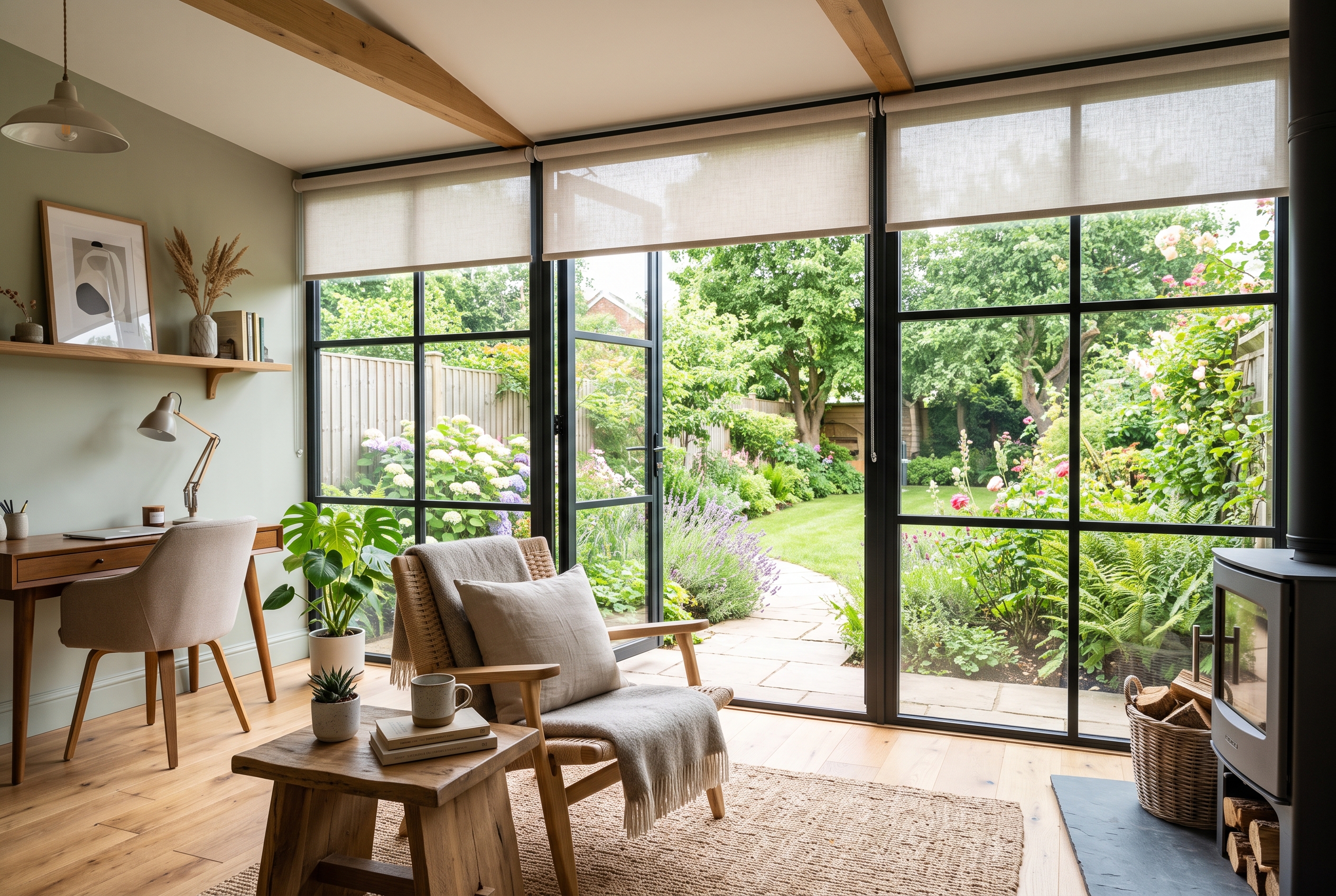
In summer, blinds help control overheating by reducing direct sunlight before it fills the room. This is particularly helpful in rooms with large glazing, roof windows, extensions and home offices. If you can keep a room comfortable without relying as much on fans or air conditioning, that is a practical environmental benefit as well as a comfort benefit.
Choose the right blind for the room
An eco-conscious decision still needs to work in real life. Think about the room before the material. For example:
- Choose moisture-resistant blinds for bathrooms, utility rooms and kitchens.
- Use thermal or cellular blinds where warmth and energy efficiency are important.
- Consider natural woven finishes in relaxed living spaces and bedrooms.
- Ask about FSC-certified wood if you want real timber.
- Look for recycled or lower-impact fabrics in roller and vertical blind ranges.
- Prioritise quality mechanisms so the blind lasts longer.
Manufacturing, packaging and local fitting
Sustainability is not only about the visible material. Manufacturing standards, transport, packaging and installation all matter. A locally measured and fitted blind can reduce mistakes, returns and wasted product. It also means you can see samples in your own home and make a more confident choice, rather than ordering several unsuitable options online.
Professional fitting helps extend the life of the blind too. A smooth mechanism, correct brackets and accurate measurements all reduce strain on the product. Small details make a difference over years of daily use.
A greener choice that still suits your home
Sustainable blinds should not feel like a compromise. With the right advice, you can choose materials and styles that look beautiful, perform well and reflect your values. Whether you are interested in bamboo, FSC-certified wood, recycled fabrics or energy-saving blinds, Lloyds Blinds can guide you through the best options for your rooms. Get in touch for friendly advice and a no-obligation quote.